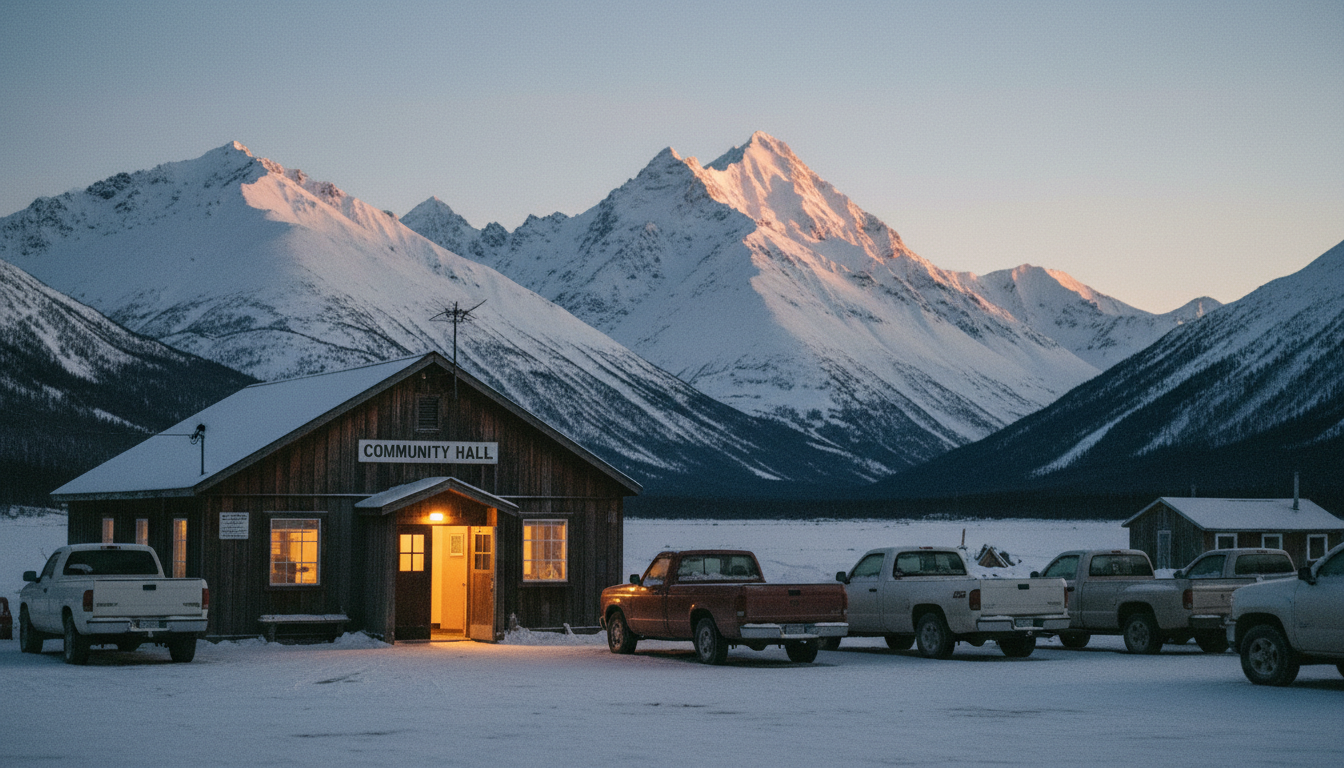
In 2020, Alaska voters approved Ballot Measure 2, replacing party primaries with a single open primary that sends the top four finishers to a ranked-choice general election. The system was first used statewide in 2022.
The mechanical change sounds dry. The incentive change is not: under the old system, an Alaska politician's survival depended on the most partisan voters in a closed primary. Under the new one, every candidate faces the whole electorate twice — and a second-choice ranking from a voter across the aisle is worth real votes.
Candidates responded the way incentive-watchers predicted. Campaigns courted crossover rankings instead of running purity contests, and legislators could cast coalition-building votes without treating them as career-ending. Alaska's legislature has since organized around bipartisan coalitions rather than narrow party-line control — behavior the old primary system punished.
Reform isn't a cure-all, and Alaska's version has vocal critics who want it repealed. But it demonstrates the core claim of this site: politicians aren't extreme because voters are — they're extreme because the path to power runs through the extremes. Change the path, and the same politicians walk differently.